How Leads Are Qualified
Inbound lead generation is no longer the hard part.
By 2026, most B2B organizations have figured out how to attract inbound interest. SEO, content marketing, paid campaigns, webinars, and AI-powered discovery tools are doing their job. Leads are coming in. Forms are being filled out. Calendars are getting booked.
Yet many sales teams are still frustrated.
They’re spending time on conversations that go nowhere. They’re chasing prospects who aren’t ready, aren’t a fit, or were never serious to begin with. Pipeline numbers look healthy on paper, but close rates tell a different story. The problem isn’t demand. It’s discernment.
Inbound lead qualification has quietly become one of the most important revenue disciplines in 2026, and one of the most misunderstood. Most companies still treat it as a routing problem or a speed problem. In reality, it’s a judgment problem.
Improving inbound lead qualification today isn’t about calling faster, adding more form fields, or throwing another AI tool at the funnel. It’s about understanding intent, respecting buyer behavior, and designing a process that filters for real opportunity without burning trust or sales time.
What follows is a practical, experience-driven look at how inbound lead qualification actually works in 2026, and how teams that do it well separate signal from noise.
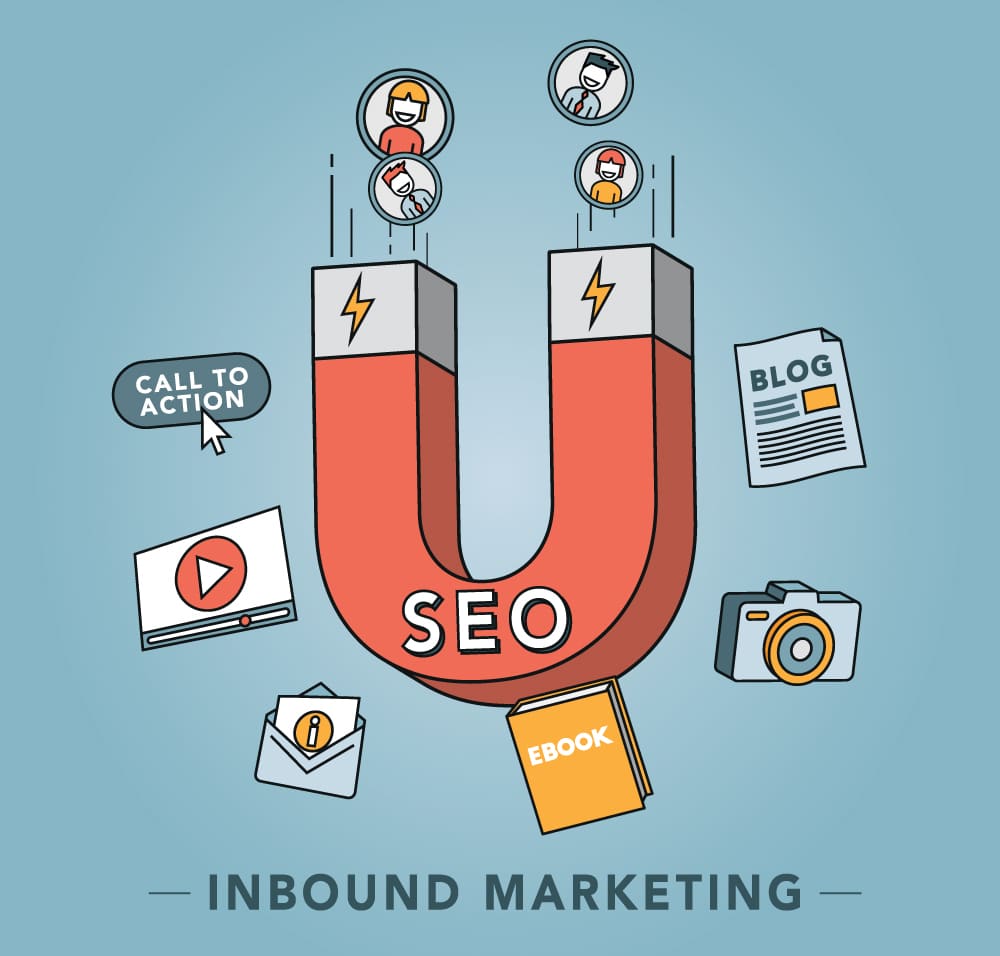
10 Ways to Improve Inbound Lead Qualification in 2026
Start by Giving Inbound Qualification a Real Owner
The fastest way to break inbound qualification is to let it belong to “everyone.”
When inbound leads land in a shared inbox, auto-route straight to sales, or get handled whenever someone has a spare moment, quality immediately suffers. No one feels responsible for judgment. Everyone assumes someone else will sort it out.
The companies doing this well in 2026 assign clear ownership. One person, or a very small group, is accountable for reviewing every inbound inquiry and making an intentional decision about what happens next.
This role doesn’t exist to slow leads down. It exists to protect the system. The person reviewing inbound leads looks beyond the form submission and asks a simple question: is this worth a sales conversation right now?
When someone owns that decision, inbound leads stop slipping through the cracks, and sales stops inheriting problems it didn’t create.
Redefine What “Qualified” Means for Today’s Buyer
One of the most common mistakes companies make is relying on outdated definitions of a “qualified” lead. In 2026, filling out a form is not a qualification. Downloading a white paper is not a qualification. Even booking a meeting isn’t always a qualification.
Today’s inbound leads show up for many reasons. Some are actively evaluating vendors. Some are doing early research. Some are gathering information for internal conversations that may not happen for months. Others are students, consultants, or competitors.
Treating all of these leads the same guarantees wasted effort.
Modern qualification focuses on three things: intent, timing, and fit.
Intent is about whether the prospect is trying to solve a problem or just learning. Timing is about whether there is a real reason this conversation needs to happen now. Fit is about whether the prospect aligns with what you actually do well, not just what you could sell them if you stretched.
The companies that get this right don’t overcomplicate it. They agree internally on what makes a conversation worth having and use that definition consistently. When that definition is fuzzy or constantly shifting, qualification becomes arbitrary.
Separate Responding Quickly From Handing Leads to Sales
Speed still matters in 2026, but speed without judgment creates more damage than delay ever could.
Many organizations still equate inbound lead success with how fast a sales rep calls. That mindset made sense when inbound volume was low and intent was higher. It breaks down when inbound volume is high and intent varies widely.
The best teams separate response from acceptance.
They acknowledge inbound inquiries immediately, often with an automated confirmation, then follow up personally within hours. But they don’t automatically pass the lead to sales. They ask one or two thoughtful questions designed to understand why the prospect reached out and what they’re actually trying to accomplish.
That short qualification step saves countless wasted calls and dramatically improves the quality of the conversations that do happen. Sales enters discussions with context instead of confusion, and prospects feel understood rather than rushed.
Use Email as Your Primary Qualification Tool
For all the talk about new platforms and AI, email remains the backbone of inbound lead qualification in 2026.
Most inbound prospects prefer to engage asynchronously at first. Email lets them respond when it’s convenient and gives you insight into how serious they are based on how, and whether, they reply.
A strong inbound qualification email doesn’t pitch. It acknowledges the inquiry, references what the prospect did, and asks a simple, open-ended question. Something like asking what prompted them to reach out, or whether they’re actively evaluating options, often tells you more than any form field ever could.
The tone matters. Inbound prospects can sense when they’re being pushed toward a meeting they didn’t ask for. A conversational email that invites clarity builds trust and filters naturally. Those who respond thoughtfully are usually worth pursuing. Those who don’t respond at all often aren’t.
Let AI Assist, Not Decide
By 2026, AI is built into almost every CRM and marketing platform. Used correctly, it’s a powerful ally in inbound qualification. Used poorly, it creates false confidence.
AI is excellent at spotting patterns. It can flag suspicious submissions, highlight repeat visits, surface engagement trends, and reduce manual review time. What it can’t do well is understand nuance.
AI doesn’t know if a prospect is under internal pressure, navigating politics, or just window-shopping. It doesn’t understand urgency unless it’s explicitly stated. That’s why the best teams use AI as a filter, not a judge.
Technology should help surface signals and save time. Humans should decide what those signals mean. When teams let AI make qualification decisions without oversight, they often amplify bad assumptions instead of eliminating them.
Design Different Paths Instead of Forcing One Funnel
One of the quiet breakthroughs in inbound qualification over the last few years is the recognition that not all inbound leads should go down the same path.
In 2026, strong teams design different routes based on readiness. Some inbound leads are clearly sales-ready and should move directly to a conversation. Others are interested but not urgent and belong in a structured nurture path. Some are simply not a fit and should be politely deprioritized.
Trying to force every inbound lead into a sales conversation wastes time and damages credibility. Clear paths create clarity internally and externally. Prospects feel respected, sales stays focused, and marketing gains better data on what actually converts.
Disqualifying a lead isn’t failure. It’s discipline.
Make Qualification Feel Like a Conversation, Not an Interrogation
Inbound qualification breaks down quickly when it feels transactional.
Prospects don’t want to be interrogated. They want to be understood. The best qualification conversations in 2026 feel like exploratory discussions, not scripted checklists.
Asking open-ended questions, listening carefully, and reflecting what you hear back to the prospect does far more to establish trust than running through a list of requirements. Many times, prospects will volunteer critical information once they feel they’re not being sold to.
Short conversations that clarify expectations and next steps are far more effective than long calls that try to force alignment prematurely.
Look Beyond the Form Fill for Real Signals
Inbound qualification in 2026 requires looking beyond what prospects type into a form.
Behavior tells a more honest story. How quickly someone follows up. Whether they return to the site. What content they engage with. Whether they open and reply to emails. These signals often reveal more intent than words.
Strong teams review activity before engaging. They adjust tone and urgency based on what prospects are actually doing, not just what they say. Someone who downloads multiple assets and revisits pricing pages deserves a different approach than someone who submitted a single form and disappeared.
This kind of behavioral awareness turns inbound qualification from guesswork into informed decision-making.
Create Ongoing Feedback Between Sales and Marketing
Inbound qualification doesn’t live in a vacuum. It sits at the intersection of marketing and sales, and it only improves when both sides stay aligned.
Sales has the clearest view of lead quality. Marketing controls targeting and messaging. When feedback doesn’t flow both ways, problems repeat themselves.
In 2026, effective teams review inbound quality regularly, not just in quarterly meetings. Sales shares which leads were poor fits and why. Marketing adjusts campaigns and content accordingly. Qualification criteria evolve based on real outcomes, not assumptions.
This feedback loop is one of the fastest ways to improve inbound quality without increasing spend.
Know When to Bring in Outside Perspective
Not every organization has the time or internal expertise to redesign inbound qualification properly. In many cases, outside perspective helps teams see blind spots they’ve normalized.
Consultants and specialists can help clarify qualification criteria, streamline workflows, train teams on conversational qualification, and audit existing processes. Even small changes often produce outsized results when applied thoughtfully.
The goal isn’t outsourcing judgment. It’s accelerating learning.
Final Thoughts: Inbound Qualification Is a Revenue Discipline Now
Inbound lead qualification in 2026 is no longer a back-office task. It’s a core revenue discipline.
Organizations that invest in ownership, clarity, and thoughtful process see better conversations, higher close rates, and more predictable growth. Those that treat inbound leads as interchangeable continue to struggle, no matter how strong their traffic looks.
The goal isn’t to qualify more leads. It’s to qualify the right ones, at the right time, in a way that respects how modern buyers want to engage.
Inbound interest is potential. Qualification is what turns it into revenue.